NgMedicare product education
What an evidence-linked drug-interaction warning should contain
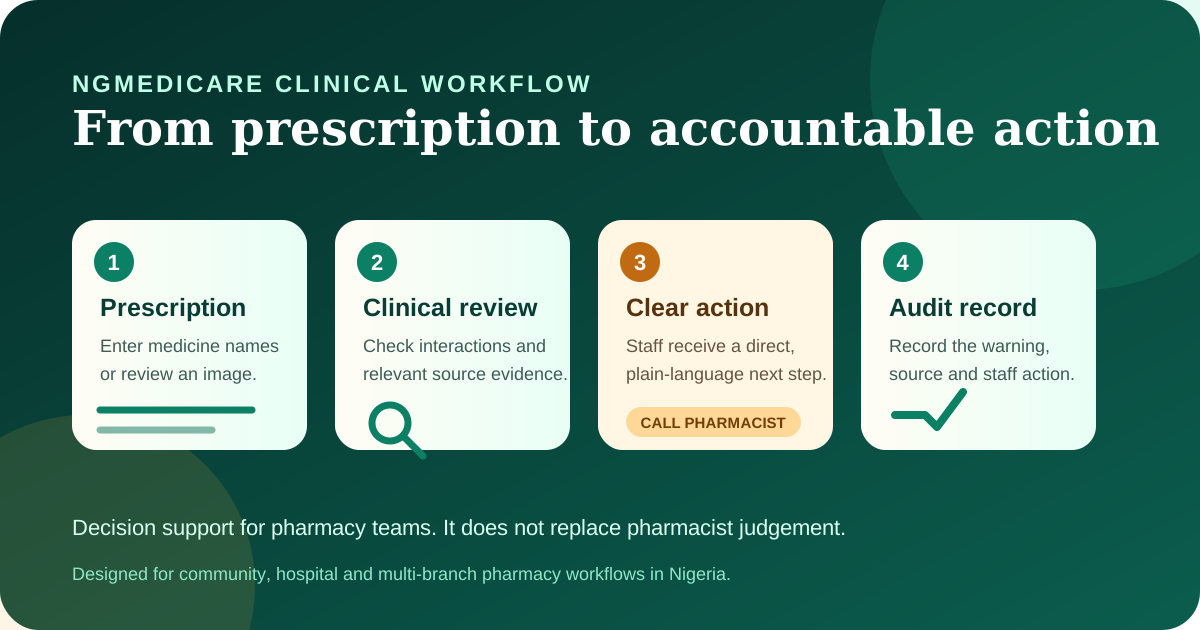
A useful warning explains the risk in plain language, identifies urgency, cites available evidence and gives staff a safe next action.
Clinical responsibility: NgMedicare supports pharmacy teams. It does not diagnose, prescribe or replace pharmacist judgement.
BNF 85Current referenced edition
Nigeria EML2020 source included
Role controlledAuthorized pharmacy access
Audit recordedReviewable clinical activity
01
Name the practical risk
Translate technical mechanisms into clear consequences without exaggeration.
02
Separate urgency levels
Not every interaction should stop dispensing. Severity must drive the action.
03
Link the source
Record the source edition and relevant evidence so pharmacists can review it.
04
Reduce alert fatigue
Prioritize actionable warnings and review override patterns rather than producing undifferentiated alerts.
Frequently asked questions
Should every interaction be denied?
No. The response should reflect documented severity and the pharmacist's patient-specific assessment.
See the clinical workflow with your team
Tell us your city, organization type and number of locations. Do not include patient information.